

Viale Bianca Maria 31

Category
ResidentialAbout This Project
The project involves the redevelopment of a historic building in the heart of Milan, located on Viale Bianca Maria—part of the so-called “Cerchia dei Bastioni” or “Spanish Walls Ring Road.” This inner ring road is formed by two parallel streets that trace the route of the ancient Spanish walls of Milan, built in 1560 during Spanish rule and later demolished.
The avenue is named after Bianca Maria Visconti, daughter of Filippo Maria Visconti, Duke of Milan, and herself Duchess of Milan in the mid-15th century, during the height of the Renaissance. A woman of great intelligence and diplomatic skill, she played a key role in the political landscape of her time, while also dedicating herself to philanthropy and the patronage of the arts. The name “Bianca Maria” evokes charm, femininity, aristocracy, elegance, and refinement.
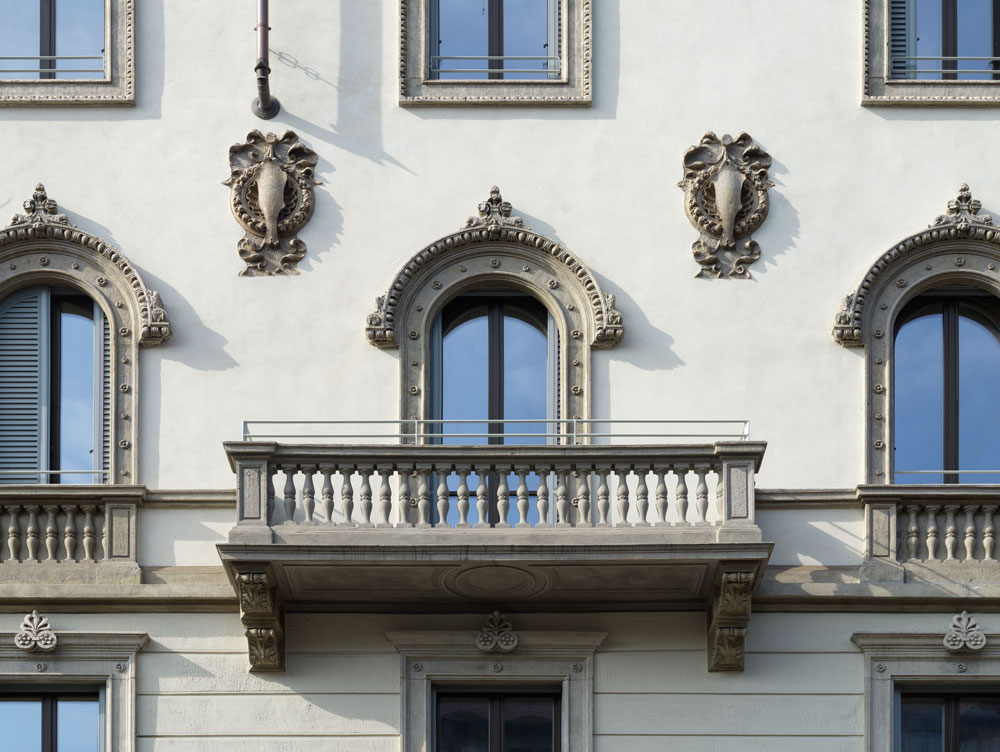
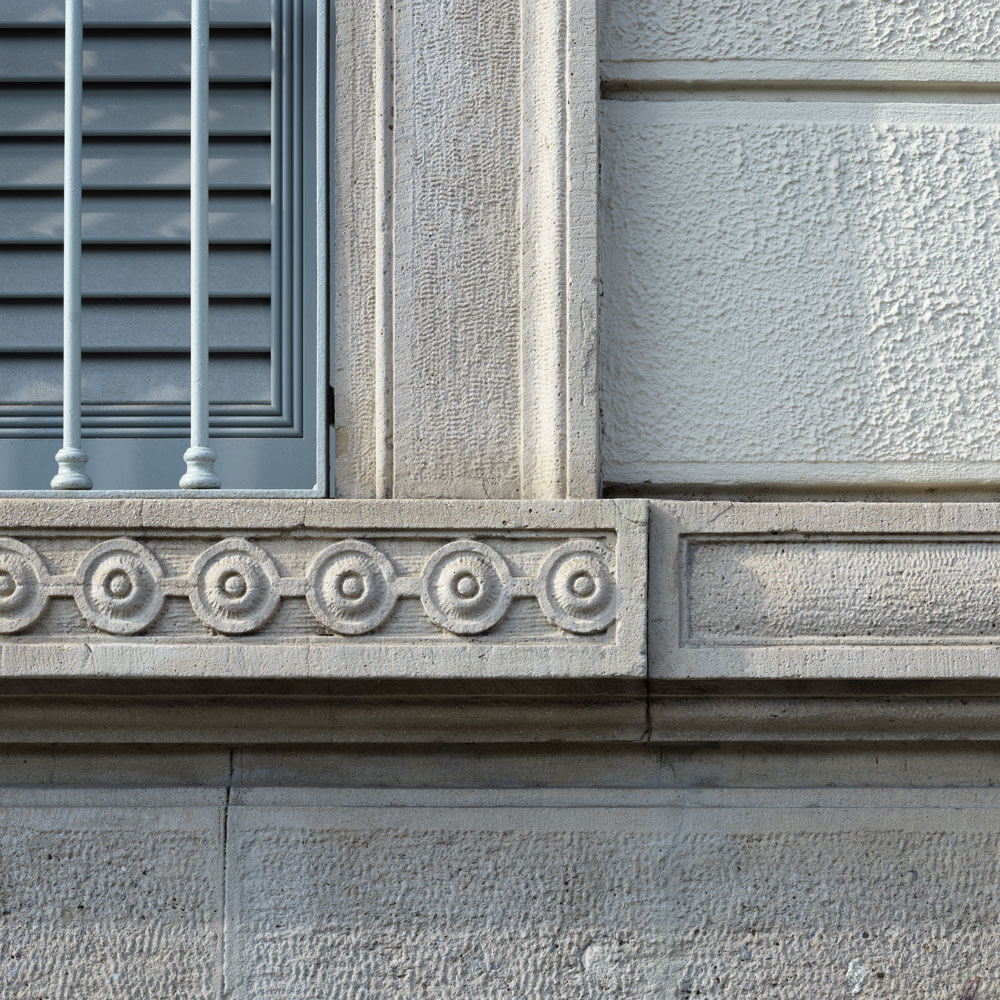
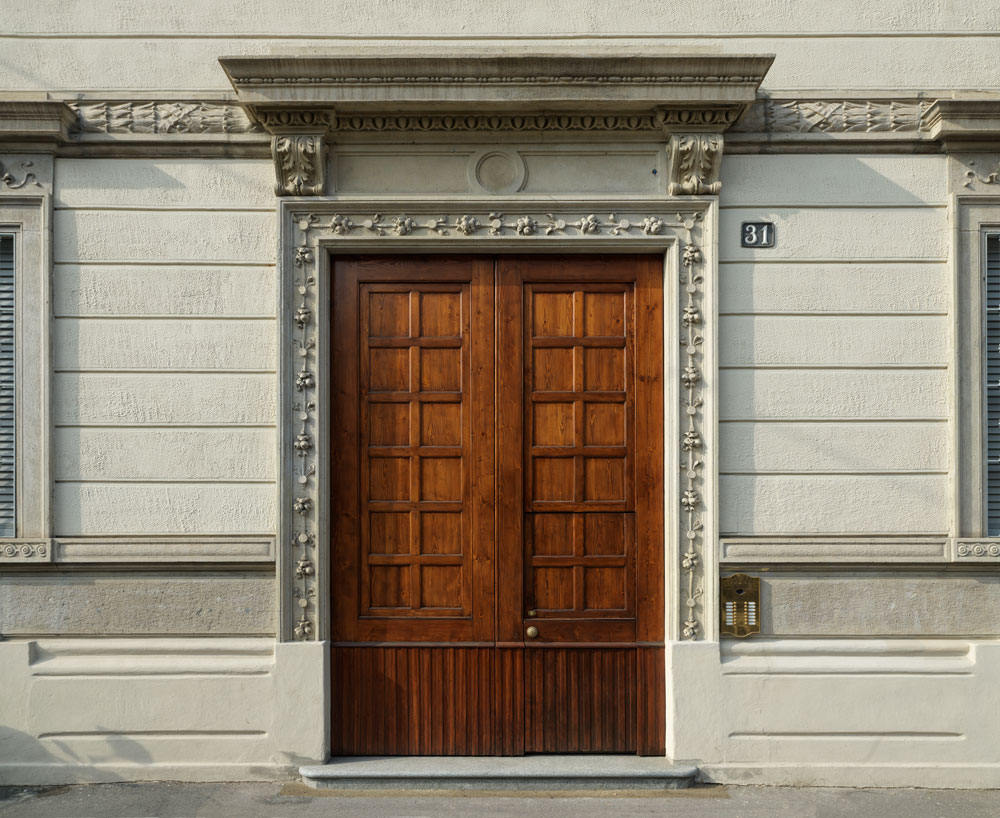
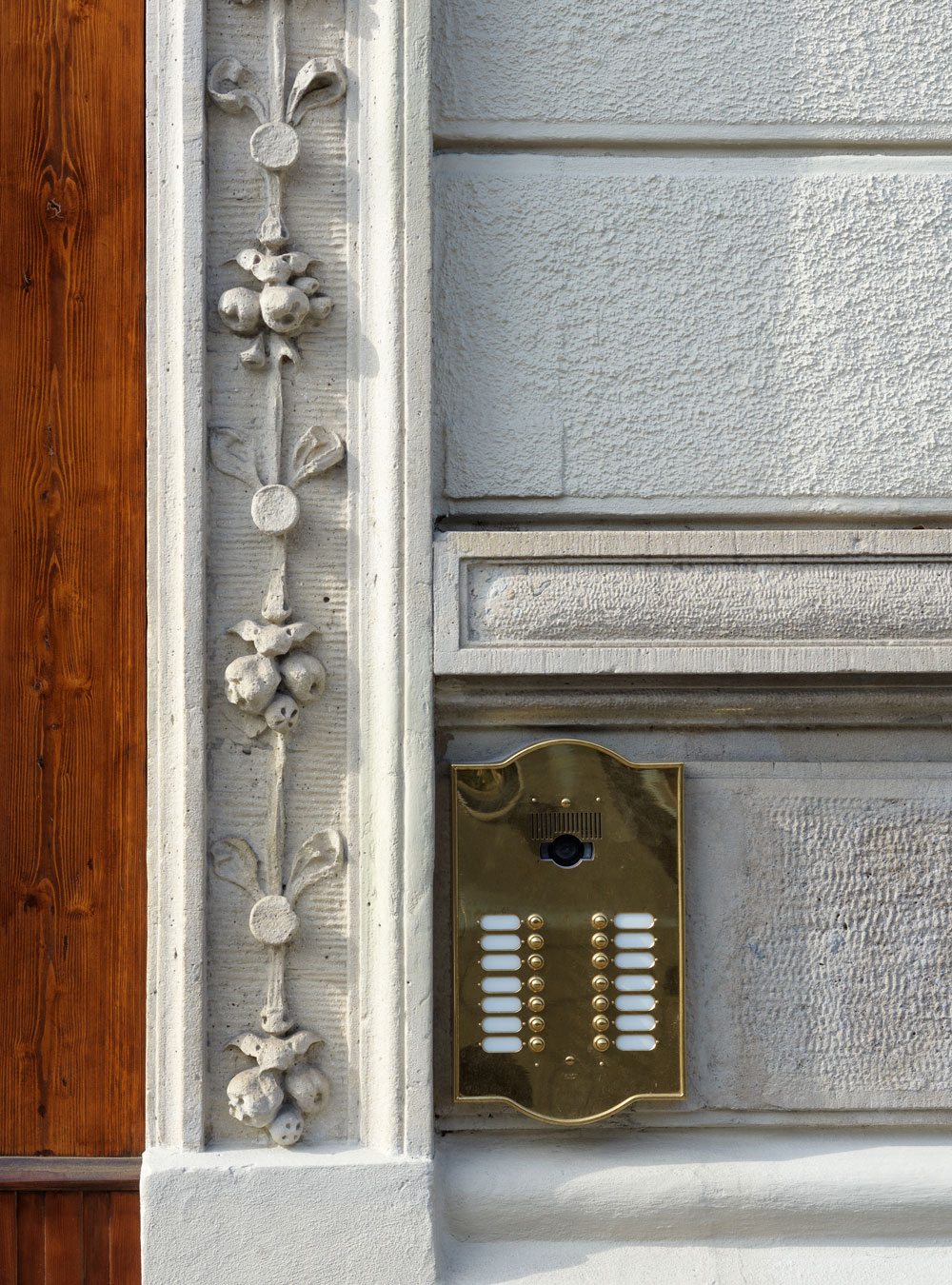
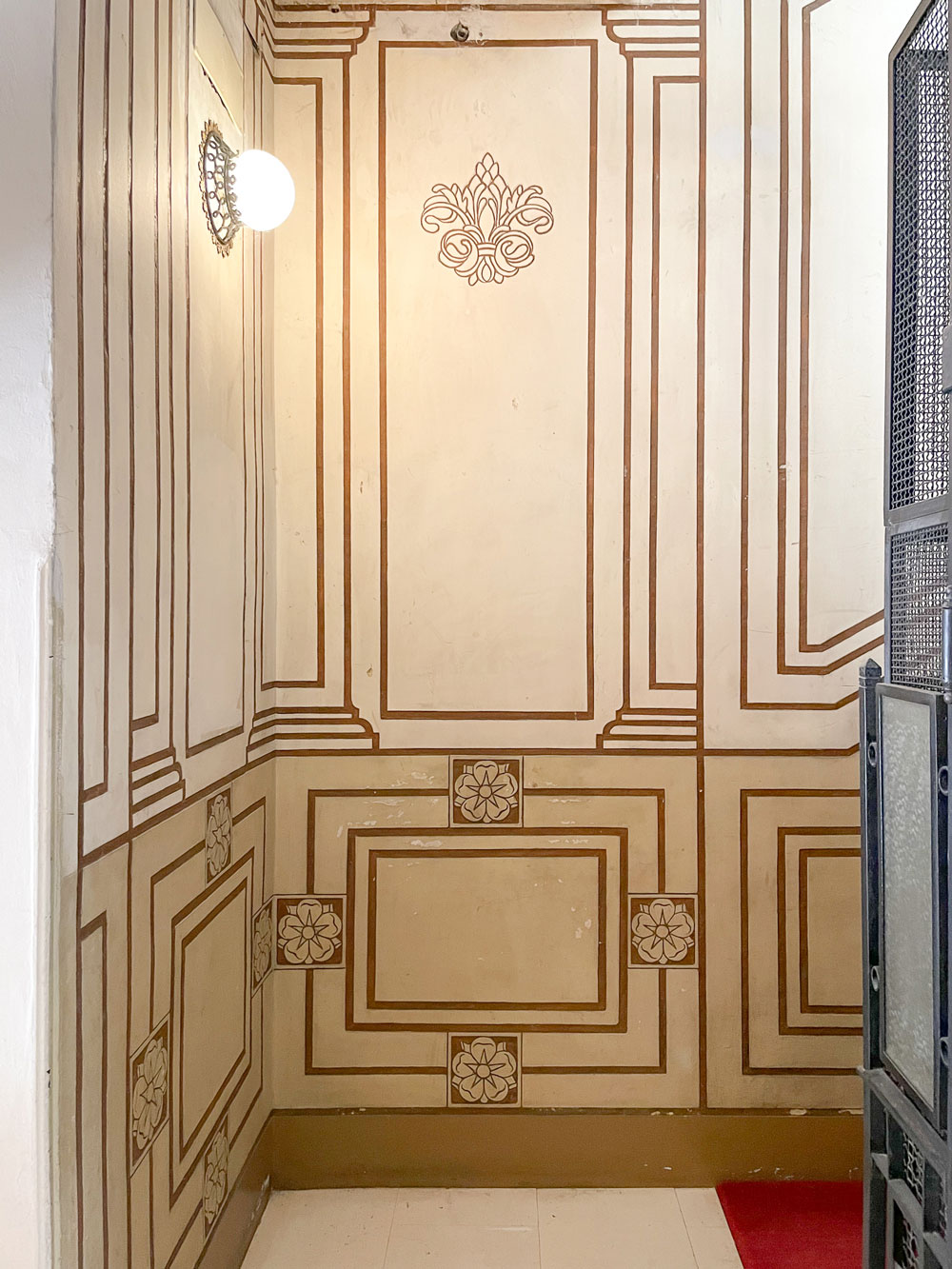
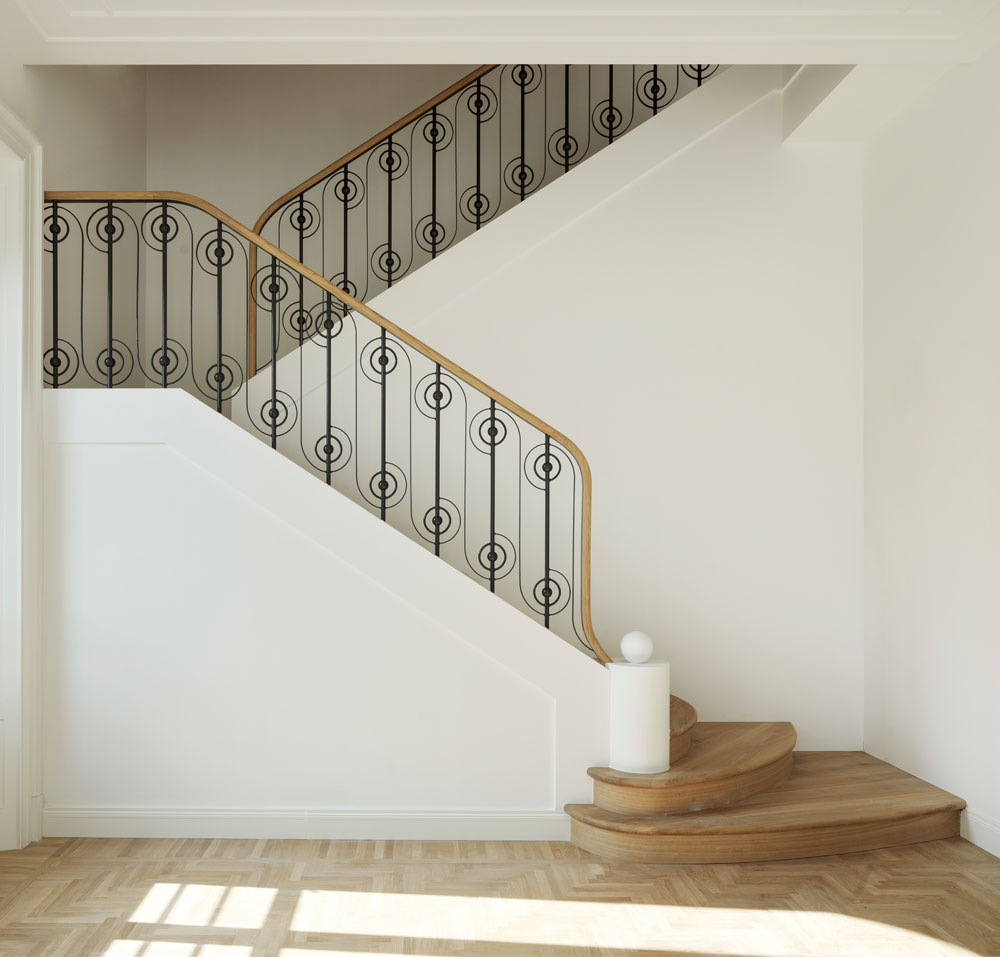
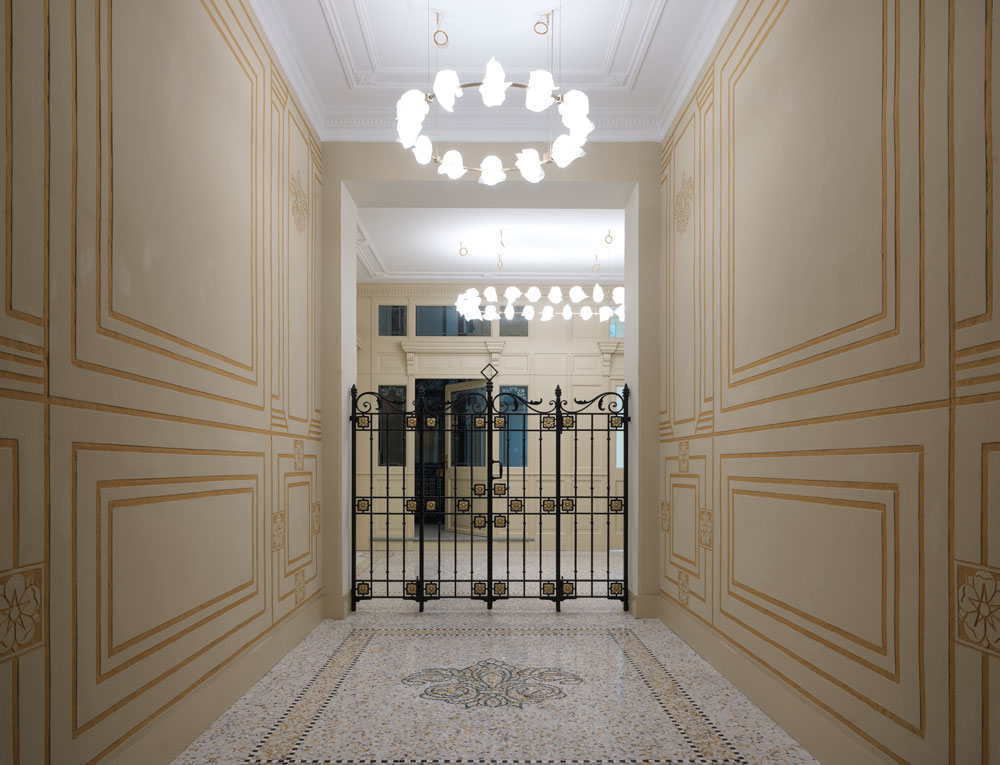
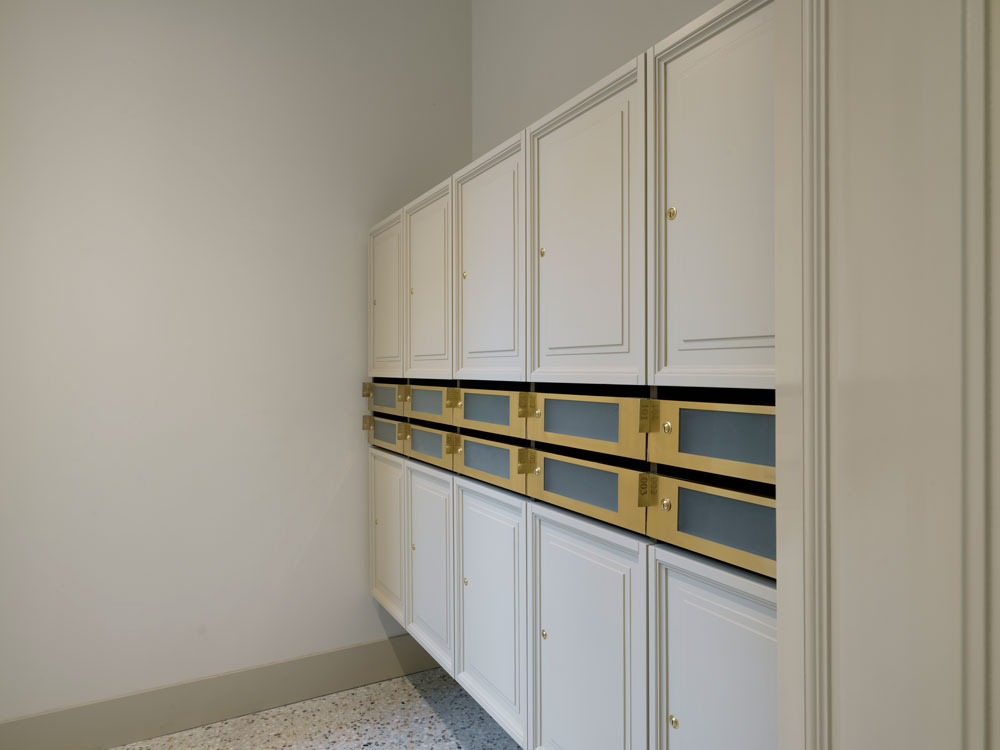
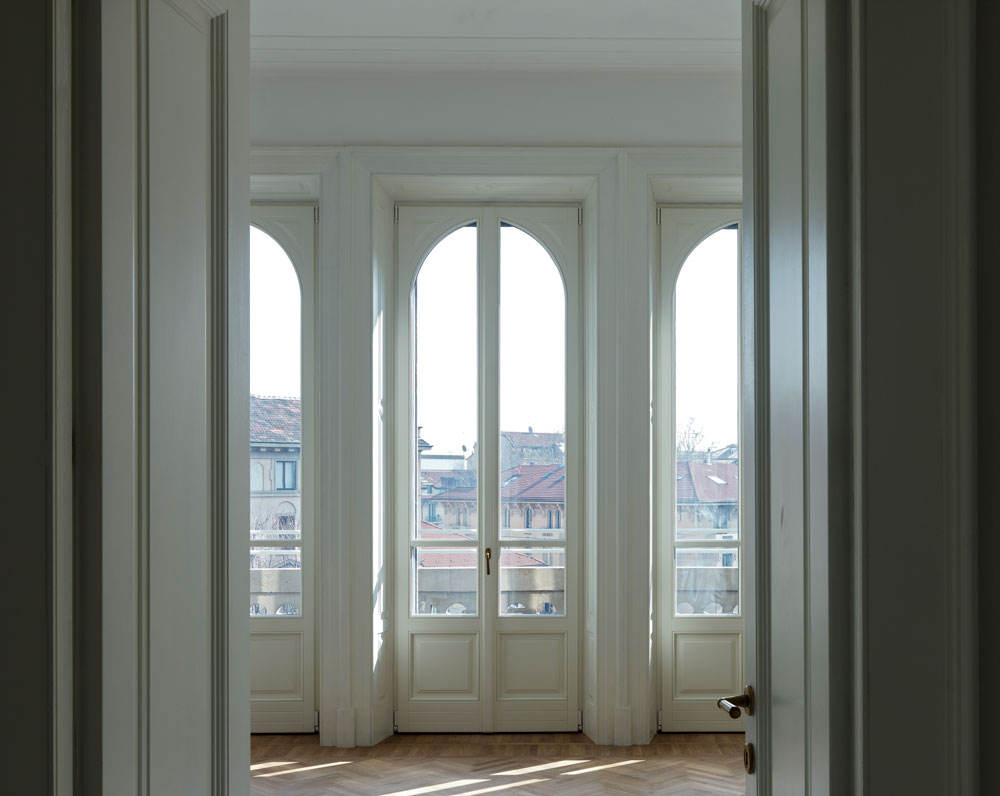
The building was constructed in 1904 as part of a complex with an internal courtyard and underwent renovation in 1925. The street-facing façades and the internal staircase are undoubtedly its most distinctive features. It displays characteristic elements of 1920s Milanese architecture, with a decorative scheme defined by clean lines and enriched by motifs recalling the Liberty style. The flooring finishes, ironwork details, and wall paintings create a layered interplay of materials and craftsmanship. Decorative elements found in the common areas and on the façade recall floral forms, branches, and leaves—partly stylized, partly organic—generally characterized by soft, flowing lines.
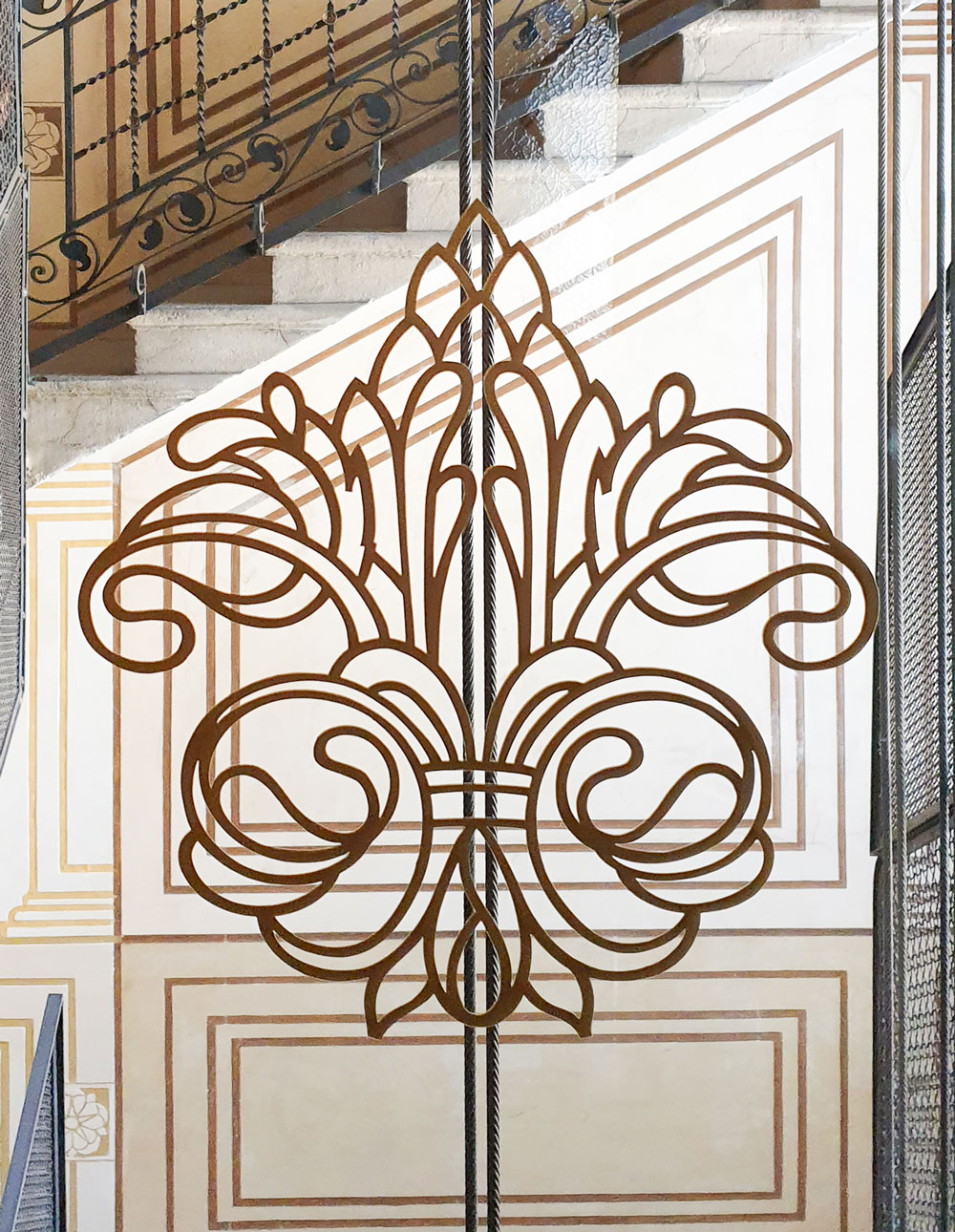
In particular, a recurring emblem in the interiors abstracts a floral figure, which inspired the creation of the project’s logo. The symbol embodies concepts of linearity and elegance, while referencing both the building’s original construction period and certain Renaissance-inspired motifs.
Originally composed of five above-ground floors and an attic, the building was expanded in 1925 with the addition of an extra floor. Today it comprises six above-ground floors, an attic level, and a basement. It stands out as a historic building of refined architectural character, distinguished by high-quality elements present both on the façades and within the interiors.
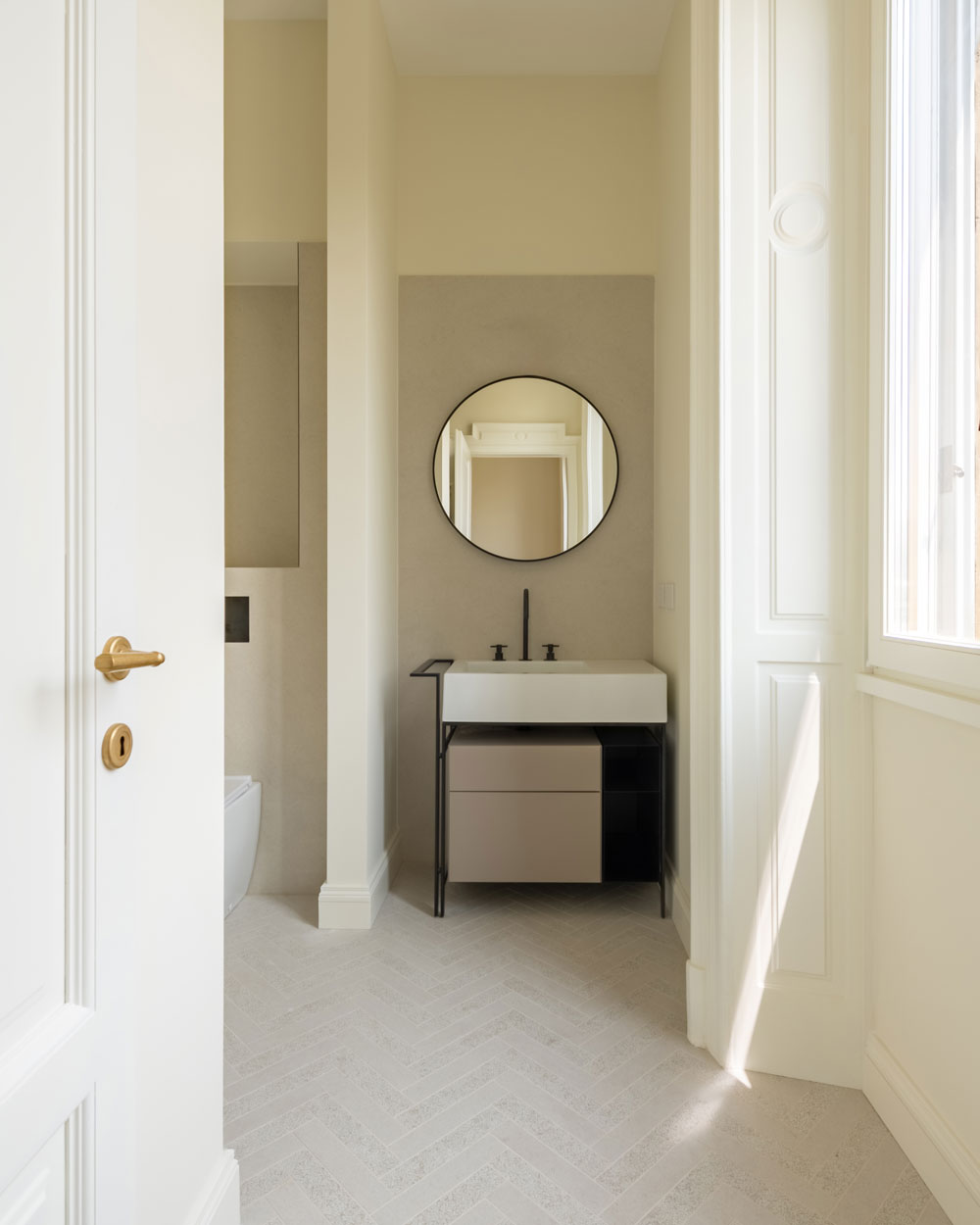
The intervention consists of a comprehensive redistribution of the internal spaces, enabling the creation of 11 luxury residential units and a small private gym. The overall layout and the technologies integrated into the spaces have been carefully designed to meet the high standards of contemporary living to which this development is addressed.
The recovery of the attic spaces is made possible through the complete reconstruction of the roof, the introduction of pocket terraces that enhance the prestige of the top-floor apartments, and the installation of skylights to ensure the quality and comfort of the attic interiors.
Particular attention has been devoted to the conservation and restoration of the façades, both along the street fronts and within the internal courtyard, in order to preserve the quality of their architectural detailing. Furthermore, in close collaboration with a network of specialists, the structural reinforcement of the entire timber framework has been carefully studied, along with the integration of all new mechanical, electrical, and plumbing systems.
Location:
Milan – Italy
Phase:
From Concept Design
to Construction Drawing
Construction design on going
Client:
Bianca Maria 31 srl
Construction Costs:
5.000.000 €
Site Area:
350 sqm
Project Size:
2.200 sqm
Date:
May 2020 on going
Design Team:
Tectoo – Lead Architect
Milan Ingegneria – Structural Engineering
Beta progetti – MEP Engineering
GAD – Cost Controller
Studio Archemi – Construction Management
GAe – Fire Engineering